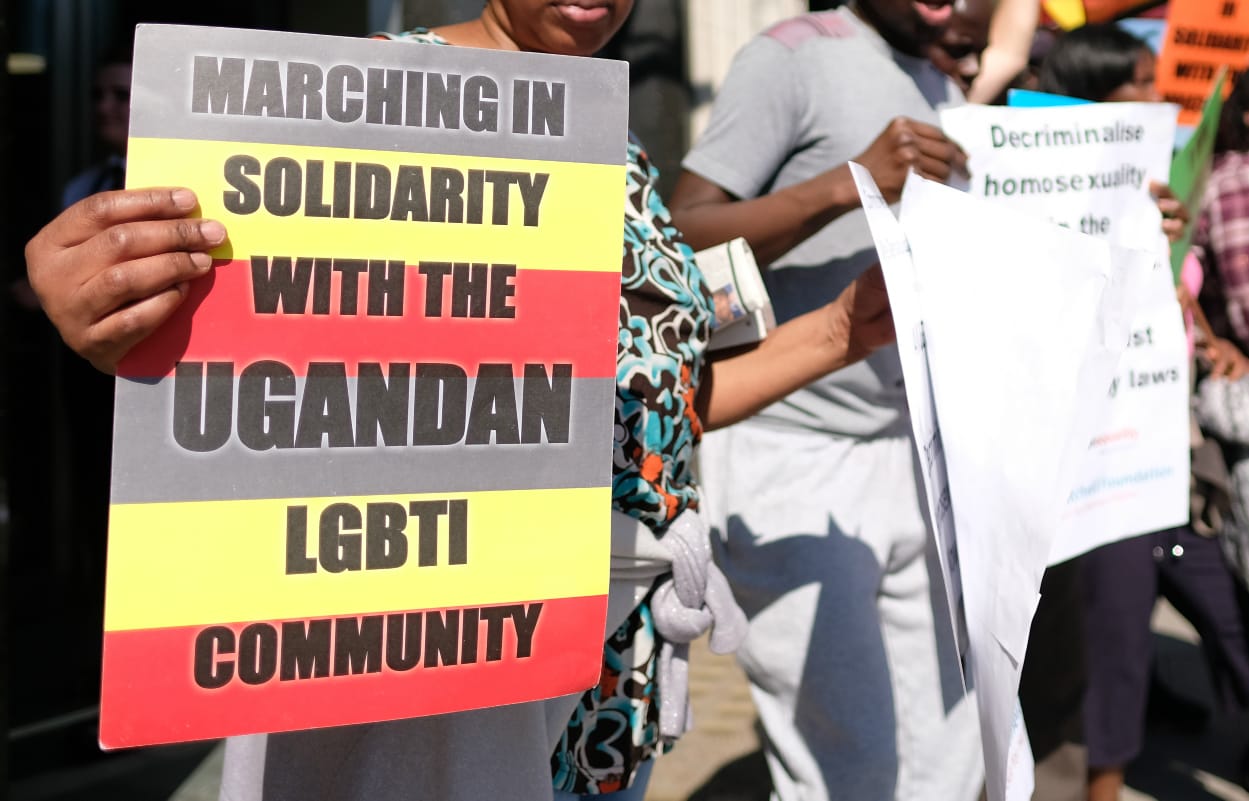
For many members of Uganda’s LGBTQ+ community, life has become a daily struggle marked by fear, uncertainty, and the constant search for safety.
Since the passage of the Anti-Homosexuality Act 2023, human rights organizations and activists say they have continued to document rising cases of alleged discrimination, family rejection, forced evictions, violence, loss of employment, and reduced access to healthcare among people perceived to be LGBTQ+.
While the legislation was one of the most debated political issues in recent years, many affected individuals say the attention has since faded, leaving them to deal with the consequences largely out of the public spotlight.
Growing Fear, Silence, And Displacement
Human rights groups report that some members of the community have chosen to relocate out of Uganda, go into hiding, or seek asylum abroad after facing threats, exposure, and social hostility.
Advocacy organizations argue that fear of being identified as LGBTQ+ has made it harder for some individuals to seek medical help, report crimes, or access legal protection when they become victims of abuse.
Names Cited By Activists In Wider Discussions
Among the names that have been mentioned by activists in broader discussions are Jackson Mukasa, Sula Mawejje, and Annet Nakitto, with their situations being referenced in conversations about the challenges faced by vulnerable individuals living under increased social pressure.
Human rights advocates say cases involving disappearances, relocation, and people cutting off contact with relatives have become more common as individuals attempt to protect themselves from perceived risks.
Supporters of Uganda’s Anti-Homosexuality Act maintain that the legislation reflects the country’s cultural and moral values.
However, critics argue that the law has contributed to an environment where vulnerable individuals face heightened risks of discrimination, isolation, and social exclusion.
Ongoing Debate And Uncertain Future
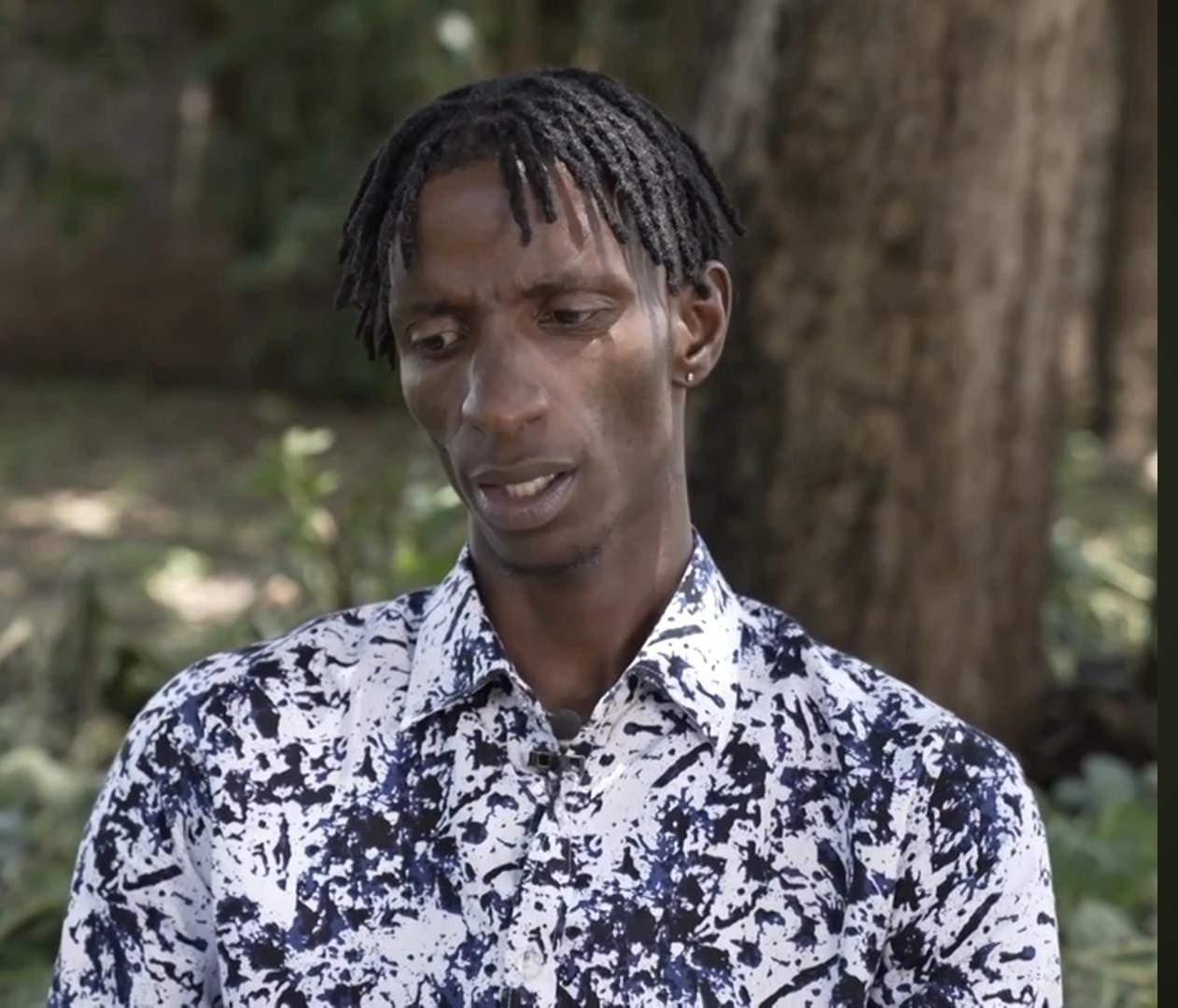
As debate continues both locally and internationally, many affected individuals remain caught between public scrutiny, personal safety concerns, and difficult decisions about whether to remain in Uganda or seek protection abroad.