



The football pitch looks brilliant. The colours pop. The showroom demonstration is impressive. But before paying a premium for a Mini LED television, shoppers have three questions worth putting to the salesperson.
Does it have hardware local dimming? How many independently controlled dimming zones does it offer? And does it use Full Array Local Dimming?
Those questions form the centre of a consumer guide released by TCL, which says the Mini LED label alone does not explain the picture quality a television will deliver.
The technology uses smaller LEDs behind an LCD screen, allowing manufacturers to fit more light sources into the backlight. The potential benefit is greater control: bright areas can remain bright while darker parts of the picture stay dark.
However, achieving that result depends on how the television is built and how its backlight is controlled.
First, ask whether the dimming happens in the hardware.
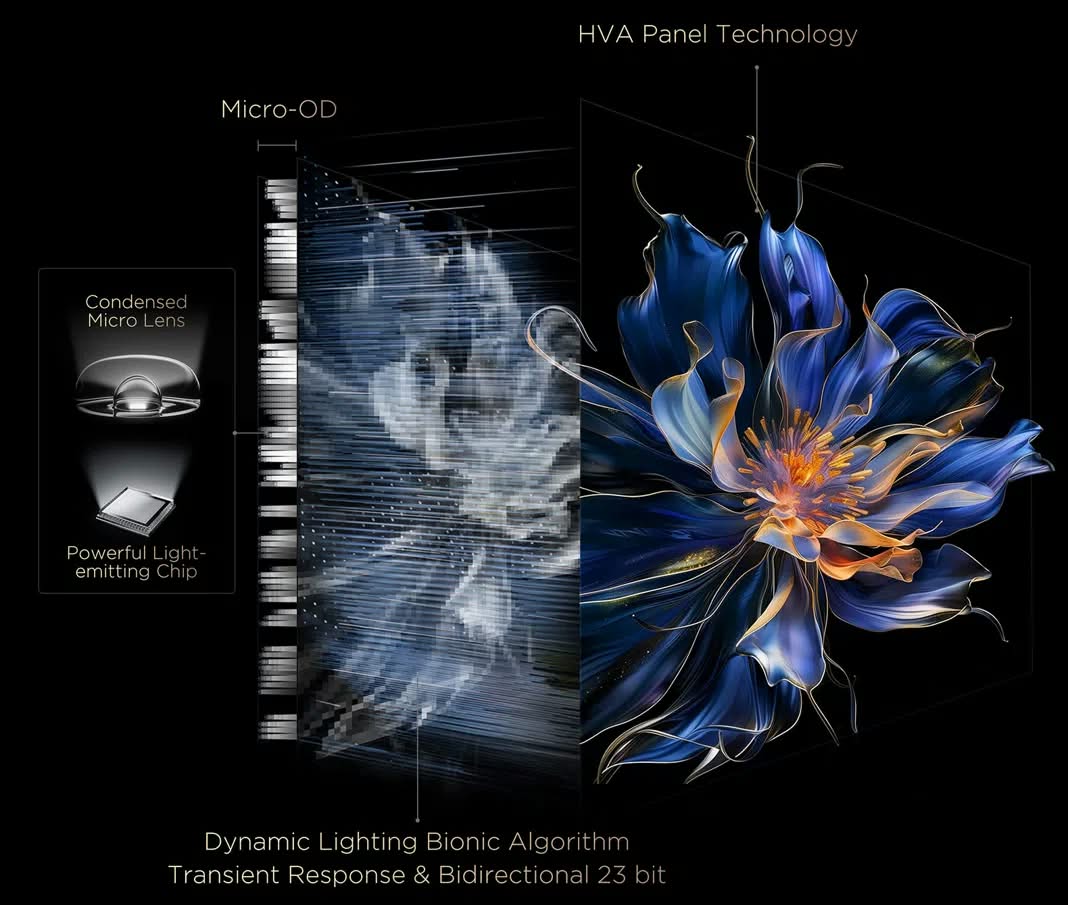
Hardware local dimming physically adjusts the brightness of separate LED clusters behind the screen. This allows one part of the picture to become brighter while another remains darker.
Software-based or “virtual” dimming relies primarily on image processing. According to TCL’s guide, it can provide less precise control of bright and dark areas under comparable conditions.
Second, ask for the actual dimming-zone count.
A zone is a group of LEDs whose brightness can be controlled independently. More zones can allow finer separation between light and shadow.
TCL says even a few hundred zones can improve contrast over a conventional LCD backlight, while several thousand can provide more precise control under comparable conditions.
The useful question, therefore, is how many independently controlled zones the particular television offers.
Third, ask how the backlight is arranged.
Edge-lit televisions place LEDs around the screen’s perimeter. Direct-lit designs place LEDs behind the panel but do not necessarily control them in independent zones.
Full Array Local Dimming combines LEDs distributed across the back of the panel with separate control of their zones. TCL says it uses this architecture throughout its Mini LED range.
Alvin Wang, General Manager of TCL East Africa, says shoppers can ask about these three features regardless of which brand they are considering.
The guide comes as TCL reports growth in its Mini LED business. Citing Omdia data, the release states that TCL ranked first globally by Mini LED TV shipment volume in the first half of 2026. The company reported 2.43 million shipments during that period, up 77.1% year on year.
For anyone preparing to upgrade, the buying lesson is simple: make the salesperson explain the technology behind the picture before the price closes the conversation.