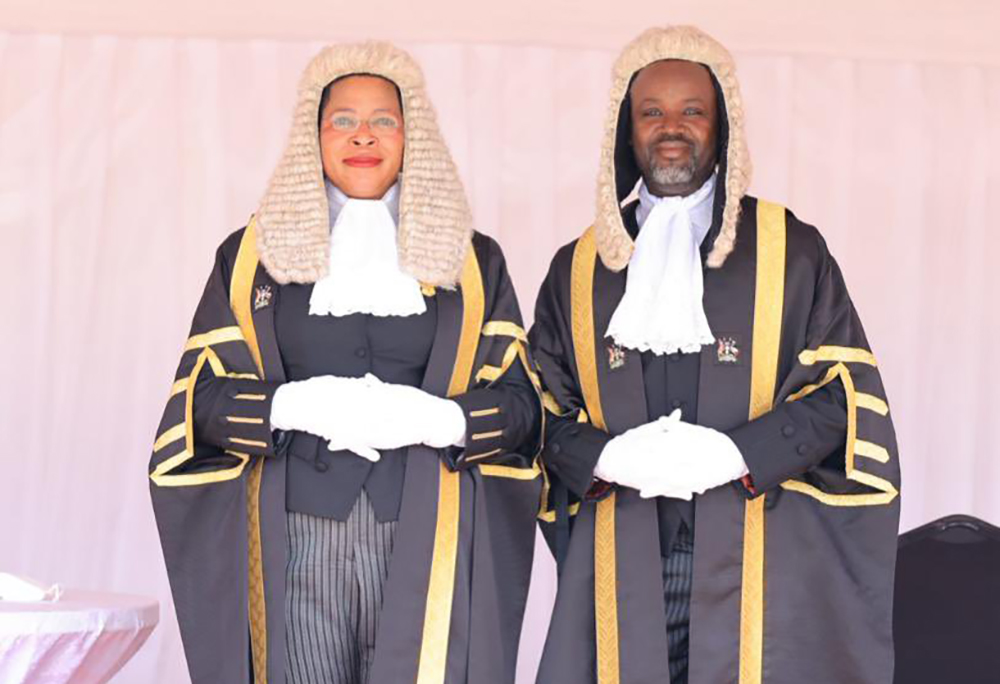
When Uganda’s 11th Parliament opened its doors under the leadership of Speaker Anita Annet Among and her Deputy, Thomas Tayebwa, it did so at one of the most emotional moments in the country’s recent political history. The death of former Speaker Jacob Oulanyah had left Parliament and the nation in mourning, and expectations were cautious about what would come next.
From the outset, the new leadership made it clear that their priority was stability. Rather than dramatic changes or loud declarations, they opted for calm stewardship—restoring order, encouraging dialogue, and rebuilding trust among Members of Parliament. Over time, that approach has paid off. MPs from both the ruling party and the opposition now describe a House that feels noticeably calmer, more respectful, and more focused on business.
Debates that once easily descended into shouting matches have become more structured. Procedural stand-offs and walkouts, which used to slow down parliamentary work, have reduced. Many legislators say there is now a stronger sense of collegiality, with disagreements handled through debate rather than confrontation.
A major factor behind this shift has been the strong working relationship between the Speaker and her Deputy. Unlike in previous parliaments, where leadership tensions sometimes stalled proceedings, the two presiding officers operate in sync.
When one is absent, the other steps in seamlessly, ensuring continuity. For observers, the result is a Parliament that feels steady, predictable, and better positioned to serve the country.