





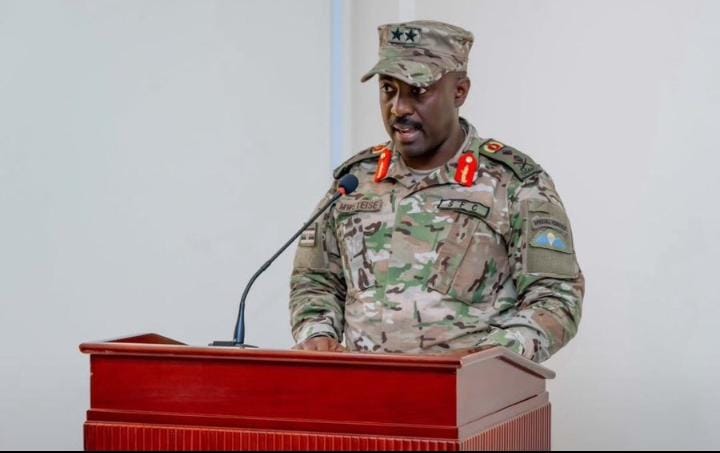
Major General Asaph Mweteise Nyakikuru’s military career provides a strong basis for his leadership of Uganda’s Special Forces Command (SFC), combining operational experience, regional exposure and years of service within the specialised military formation.
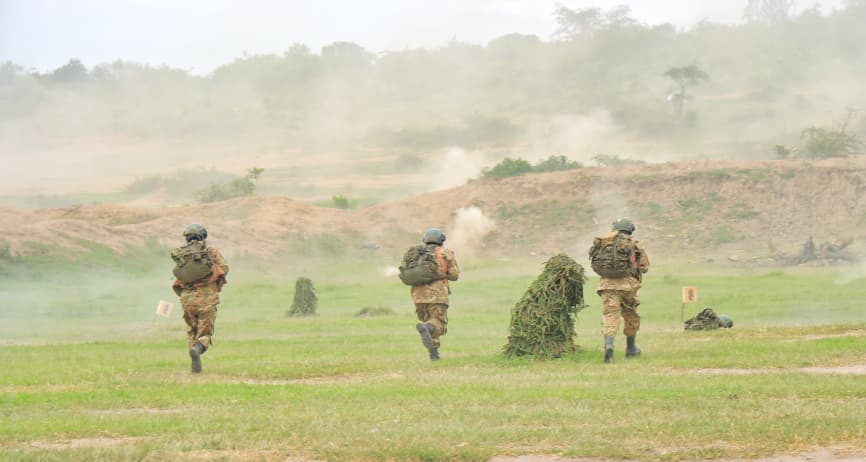
His experience in major operations dates back to 2005, when he participated in Operation Iron Fist II against the Lord’s Resistance Army. He later took part in counter-insurgency operations against the Allied Democratic Forces around the River Semliki area in 2007 and Operation Lightning Thunder in the Democratic Republic of Congo in 2008.
Nyakikuru also gained regional operational experience while commanding a Special Forces component under the African Union Mission in Somalia between 2012 and 2013. His unit operated in the Lower Shabelle region amid efforts to counter the Al-Shabaab insurgency.
In December 2013, he commanded another Special Forces component under Operation Kalongero in South Sudan, supporting the protection and evacuation of Ugandan citizens and securing strategic locations during the conflict.

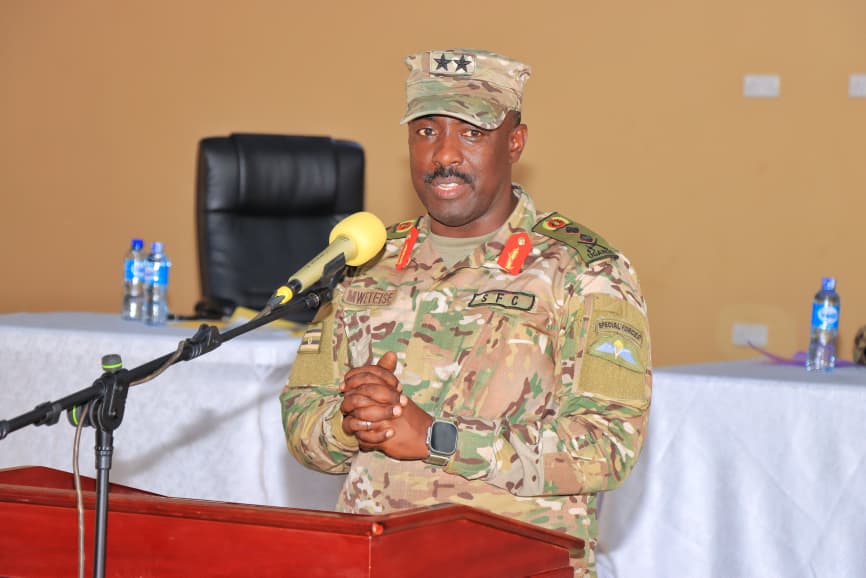
His understanding of the SFC is another important part of his leadership credentials. Before becoming its head, he commanded the Special Forces Commando Force, overseeing Camp Rufu in Kiruhura District, which houses the One Commando Battalion and specialised training facilities. He later served as Deputy Commander of the SFC, giving him experience in the institution’s broader leadership and administration.
In April 2024, he was promoted from Colonel to Brigadier General, and in June that year appointed Deputy Commander under Major General David Mugisha. In August 2024, he presided over the decoration of 104 SFC officers promoted to various ranks, emphasising discipline, commitment and hard work.
On August 3, 2026, Chief of Defence Forces General Muhoozi Kainerugaba appointed Nyakikuru Acting Commander of the SFC following Major General David Mugisha’s departure for strategic military studies abroad. Nyakikuru was also elevated to the acting rank of Major General.
By September, he was presiding over senior command activities, including the decoration of 62 officers following their promotion.

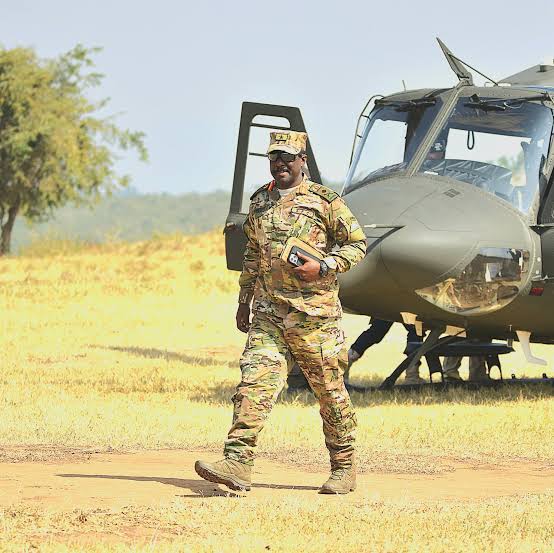
The SFC has responsibilities that include presidential protection, safeguarding strategic installations and carrying out specialised missions. Its commander therefore needs an understanding of operational demands as well as the institution’s personnel, systems and command structures.
Nyakikuru’s career brings together experience in Ugandan military operations, regional deployments, specialised formation command and senior SFC leadership. His progression through the institution offers continuity while giving him an opportunity to build on the work of his predecessors.
Ultimately, his suitability will be measured by how effectively he translates that experience into professional leadership, institutional strength and operational effectiveness.