Human rights organisations have raised alarm over a rise in extortion cases targeting LGBTQ persons in Uganda, with perpetrators using leaked photos and personal information to threaten exposure unless victims pay large sums of money.
The practice, commonly carried out through social media platforms and private messaging applications, has become a major safety concern. Activists say suspected LGBTQ individuals are deliberately targeted because fear of arrest, stigma and violence discourages them from reporting crimes to authorities.
Uganda has previously witnessed serious consequences linked to forced outing. In earlier years, prominent activists such as Clare Byarugaba and Kushaba Moses Mworeko faced threats and harassment after being publicly identified. The 2011 murder of LGBTQ activist David Kato, who had been named and pictured by a local tabloid, remains a stark reminder of the dangers associated with public exposure. John Abdallah Wambere has also spoken of repeated death threats following media attention.
Brian Canrach Opiyo Targeted
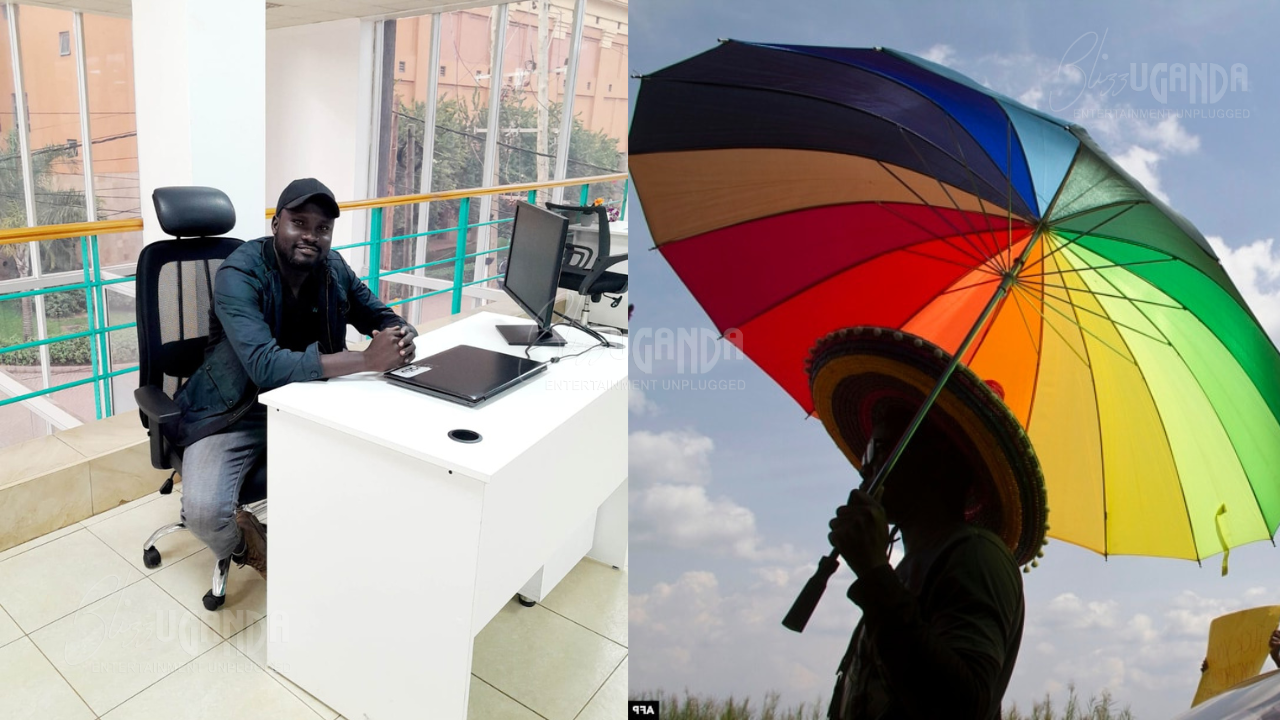
In a more recent case, Brian Canrach Opiyo, a Ugandan man who identifies as LGBTQ, was threatened with an extortion demand of Shs200 million or risk having his private photos published on social media.

The incident reportedly occurred on September 2, 2025, when unknown individuals contacted Opiyo claiming to possess his photos. According to sources familiar with the matter, he was warned that failure to pay would result in the images being widely circulated online.
Fearing public exposure and possible violence, Opiyo went into hiding before fleeing the country. His current whereabouts remain undisclosed due to security concerns.
Climate of Fear
Rights advocates say such cases reflect a broader environment of fear facing LGBTQ Ugandans, particularly following the enactment of the Anti-Homosexuality Act, 2023. The law prescribes severe penalties for same-sex conduct and, according to activists, has emboldened private individuals to carry out threats and blackmail with little accountability.
“Extortion has become one of the most common abuses we document,” said a Kampala-based human rights defender. “Victims are trapped between paying, staying silent, or fleeing.”
Civil society organisations have urged authorities to take extortion and cyber harassment seriously, stressing that criminal acts should be investigated regardless of a victim’s sexual orientation.
For individuals like Brian Canrach Opiyo, advocates say the choice to leave the country is often driven by survival rather than opportunity—highlighting the continued vulnerability of sexual minorities in Uganda.