Days after Electoral Commission chairperson Justice Simon Byabakama confirmed President Yoweri Museveni’s victory in the presidential election, a new political report is stirring debate about how the National Resistance Movement (NRM) once again stayed ahead of the game.
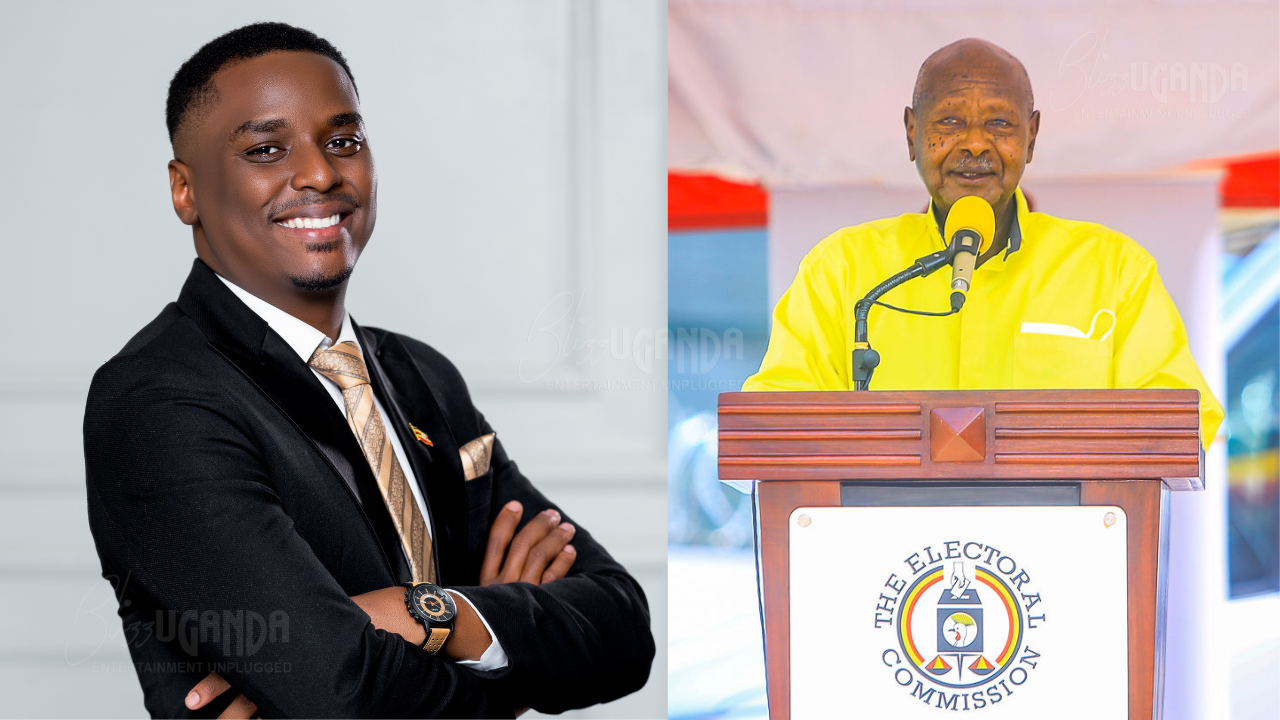
The report, titled Anatomy of a Victory and authored by political analyst Abel Mwenda, has landed on the desk of Blizz Uganda, offering a detailed account of what it describes as the “behind-the-scenes moves” that delivered Museveni a commanding 71.65 per cent win over National Unity Platform (NUP) leader Robert Kyagulanyi, popularly known as Bobi Wine.
According to Mwenda, the outcome was not merely a result of campaign rallies, party colours or street mobilisation, but a carefully calculated “scientific” approach that neutralised the opposition long before voting day.
One of the most controversial claims in the report is what Mwenda describes as a “mole crisis” within the opposition. He alleges that several influential figures close to Bobi Wine were secretly feeding information to the NRM, leaking campaign strategies and internal plans. The report argues that this internal sabotage significantly weakened the opposition’s coordination, contributing to its poor showing in parliamentary races across the country.

The report also highlights the role of money, particularly at grassroots level. While the opposition dominated social media spaces, Mwenda claims the NRM focused on direct economic messaging through government programmes. Funds from initiatives such as the Parish Development Model (PDM) and Emyooga were reportedly disbursed via mobile money, especially in rural areas. For many voters, Mwenda argues, these tangible benefits spoke louder than campaign speeches.
In western Uganda, traditionally an NRM stronghold, the report paints a picture of near-total dominance. Mwenda claims opposition agents in parts of Ankole and surrounding districts were either persuaded to withdraw or overwhelmed by the ruling party’s organisational machinery. The result, according to the report, was polling stations recording near-unanimous support for Museveni, leaving the opposition with little or no footing.
Mwenda also points to the refugee vote as a largely overlooked factor. Uganda hosts over one million refugees, some of whom have acquired citizenship over the years. The report claims many of these voters, particularly from conflict-affected regions such as the Democratic Republic of Congo and South Sudan, backed Museveni out of appreciation for the relative peace and stability experienced in Uganda.
Religious influence is another pillar highlighted in Anatomy of a Victory. The report credits prominent religious leaders, including Pastor Robert Kayanja, Pastor Joseph Serwadda, Pastor Aloysius Bugingo and Sheikh Shaban Ramadhan Mubajje, with mobilising large blocs of believers. Their public endorsements and subtle messaging, Mwenda argues, gave the incumbent an edge that the fragmented opposition struggled to counter.
While the opposition has previously dismissed similar analyses as propaganda, Mwenda insists his report is based on field observations and post-election assessments. With Museveni now set to begin yet another term in office, the debate over whether the election was won through strategy, state power or a mix of both is far from over.